Balayage
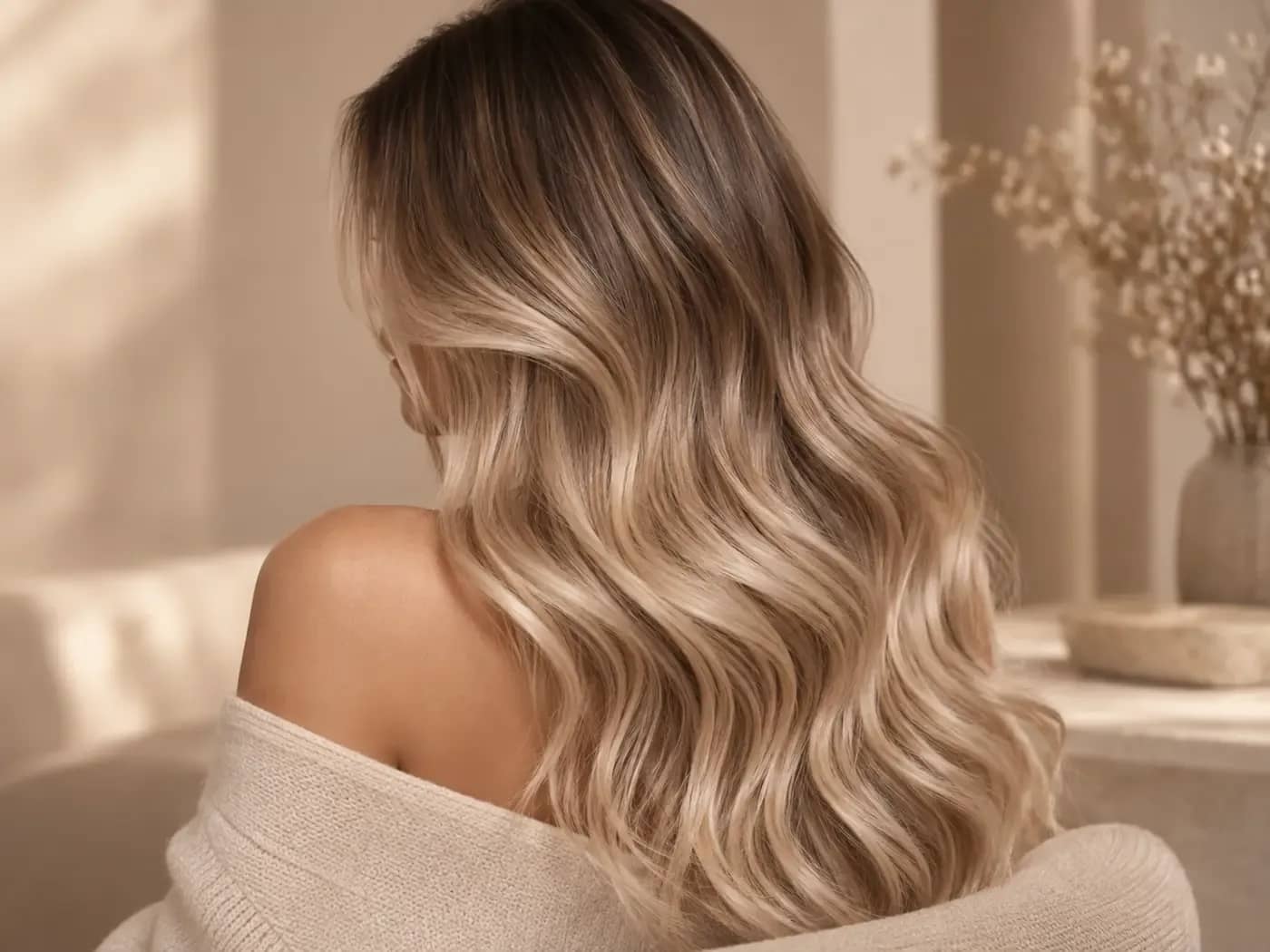
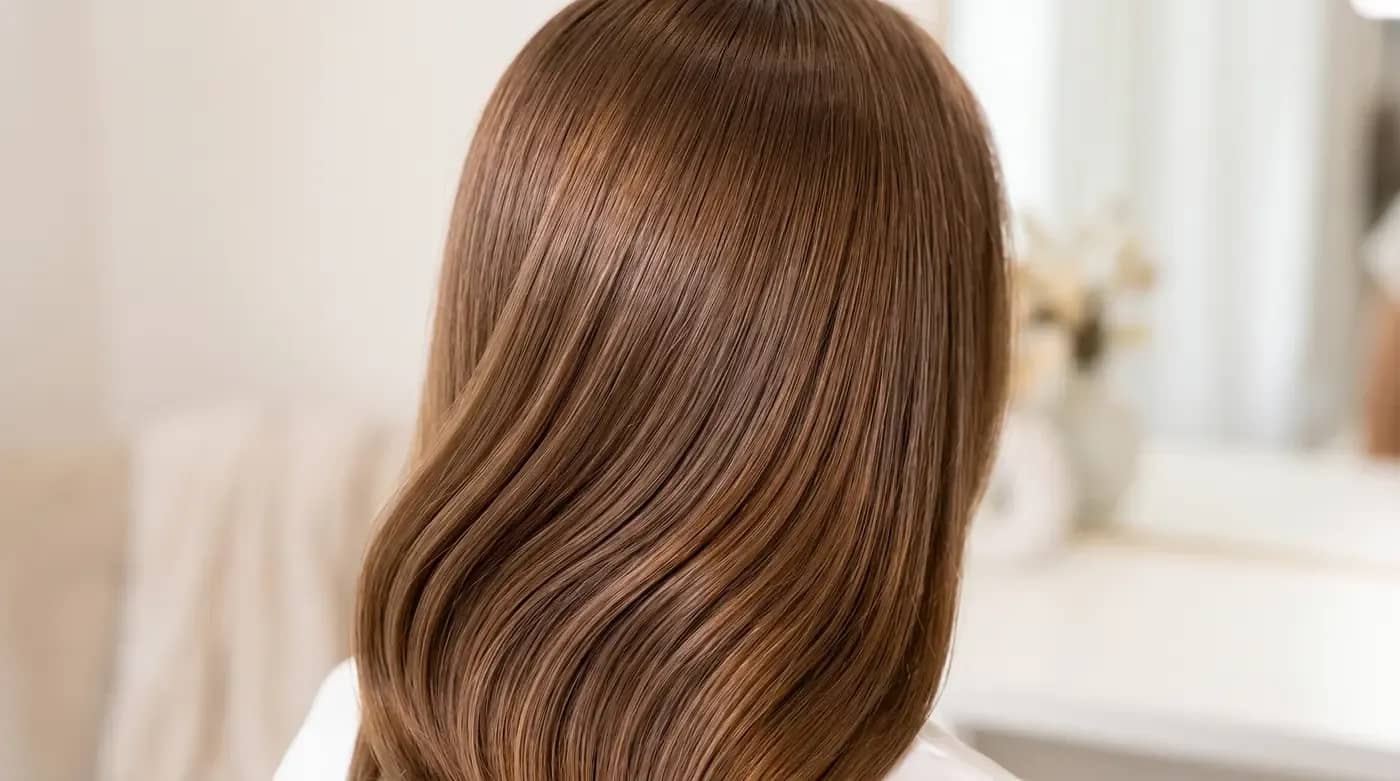
Balayage on dark and light hair: a soft, gradual shift from roots to ends without a hard line. One of the most versatile complex techniques — it refreshes the look without a full dye, and does not need frequent correction.
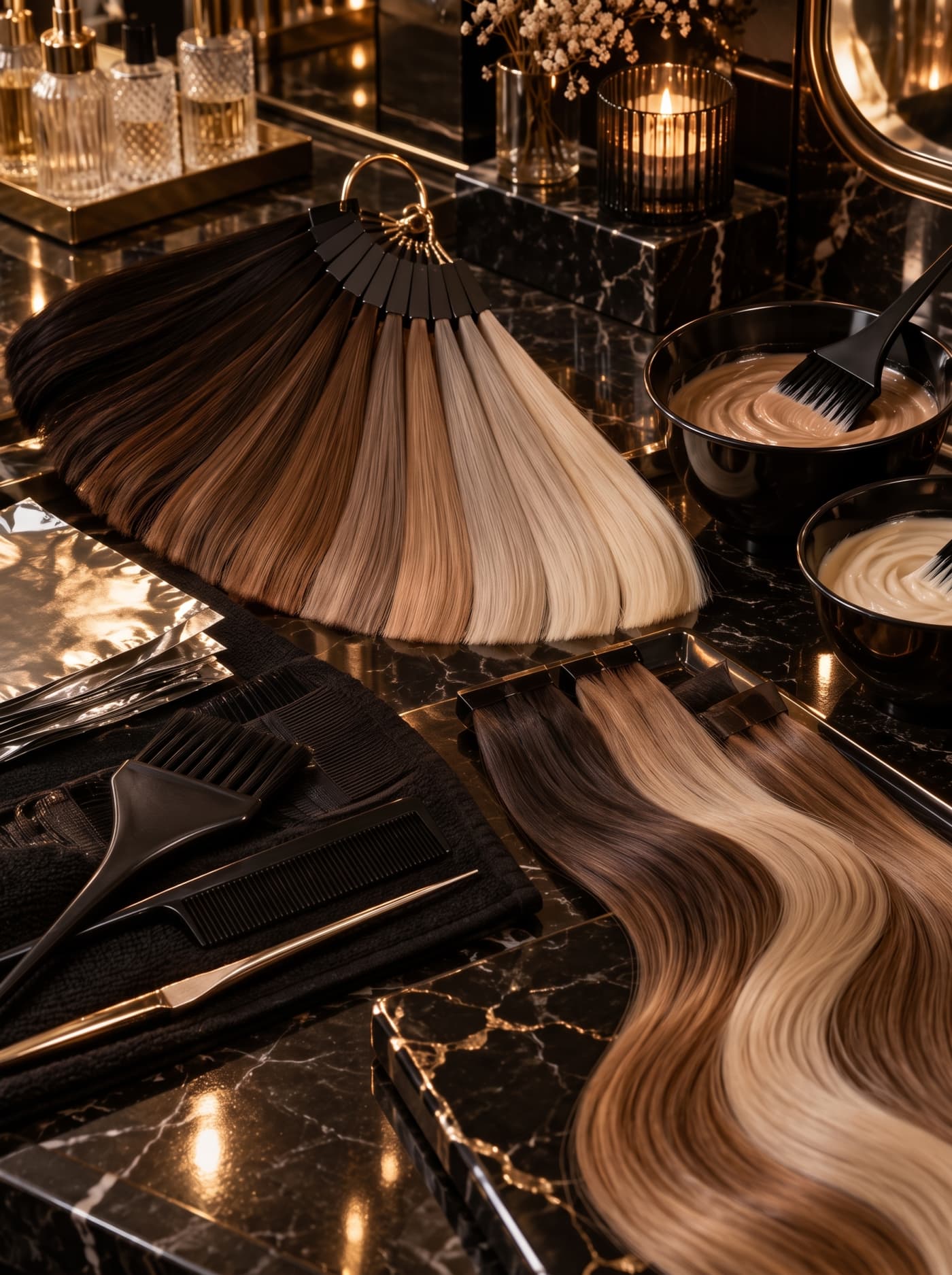
Hair coloring in Tashkent: balayage on dark and light hair, shatush, airtouch, ombre, bronding, highlights, toning, single-process color, gray coverage and color correction. Good color should not become a root problem in three weeks — so I look at grow-out, not only the result on the day.
Book coloringHair coloring is my main specialty as a colorist. I am responsible not only for how the color looks right after the appointment — but also for how it will look after a month or two of grow-out.
Before any complex coloring I assess the condition and structure of your hair: previous dyes, how porous or damaged it is, and its natural undertone. That decides which technique will work without harming the hair, and what result you will actually leave with — I do not promise what cannot happen on your hair.
Balayage on dark and light hair: a soft, gradual shift from roots to ends without a hard line. One of the most versatile complex techniques — it refreshes the look without a full dye, and does not need frequent correction.
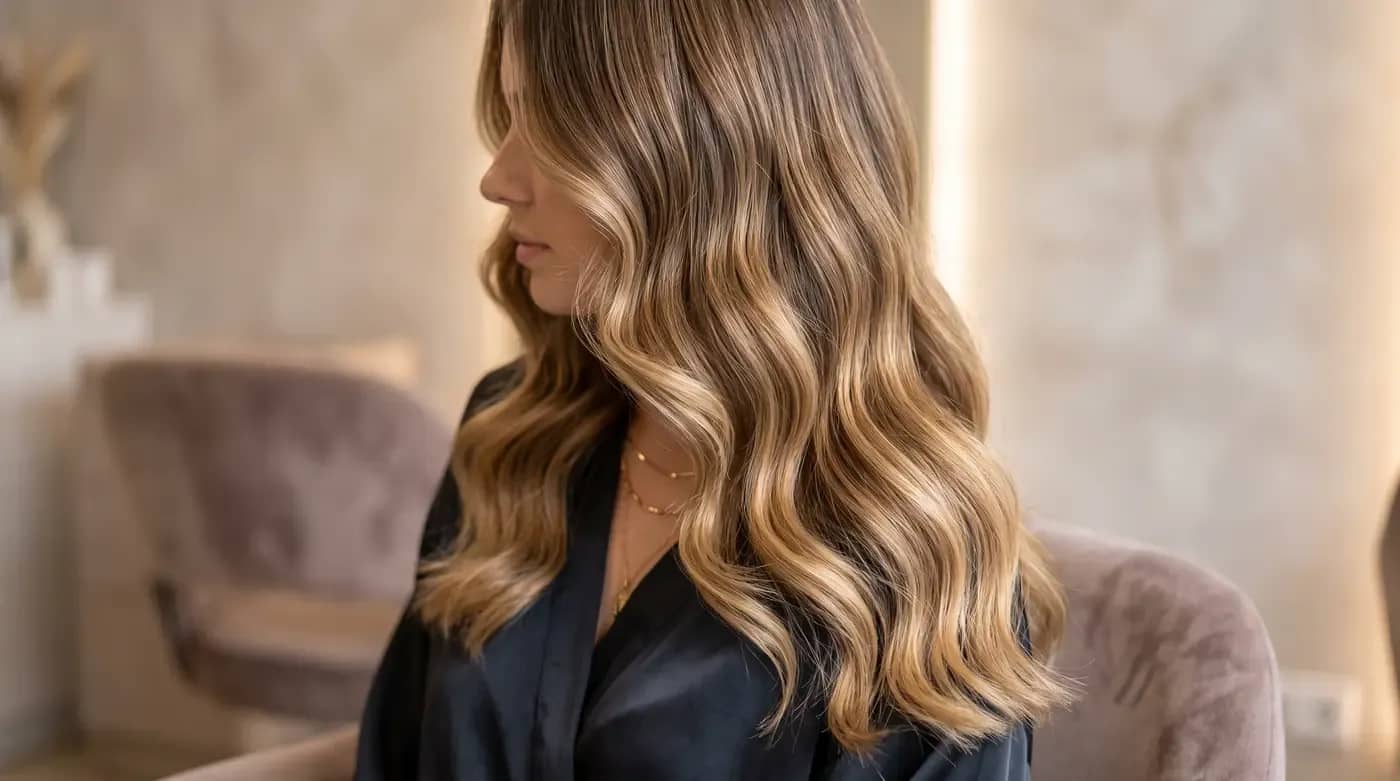
A color stretch that mimics natural sun-lightening. Especially beautiful on dark hair, it looks as natural as possible and needs precise, careful work — accuracy matters more than boldness here.
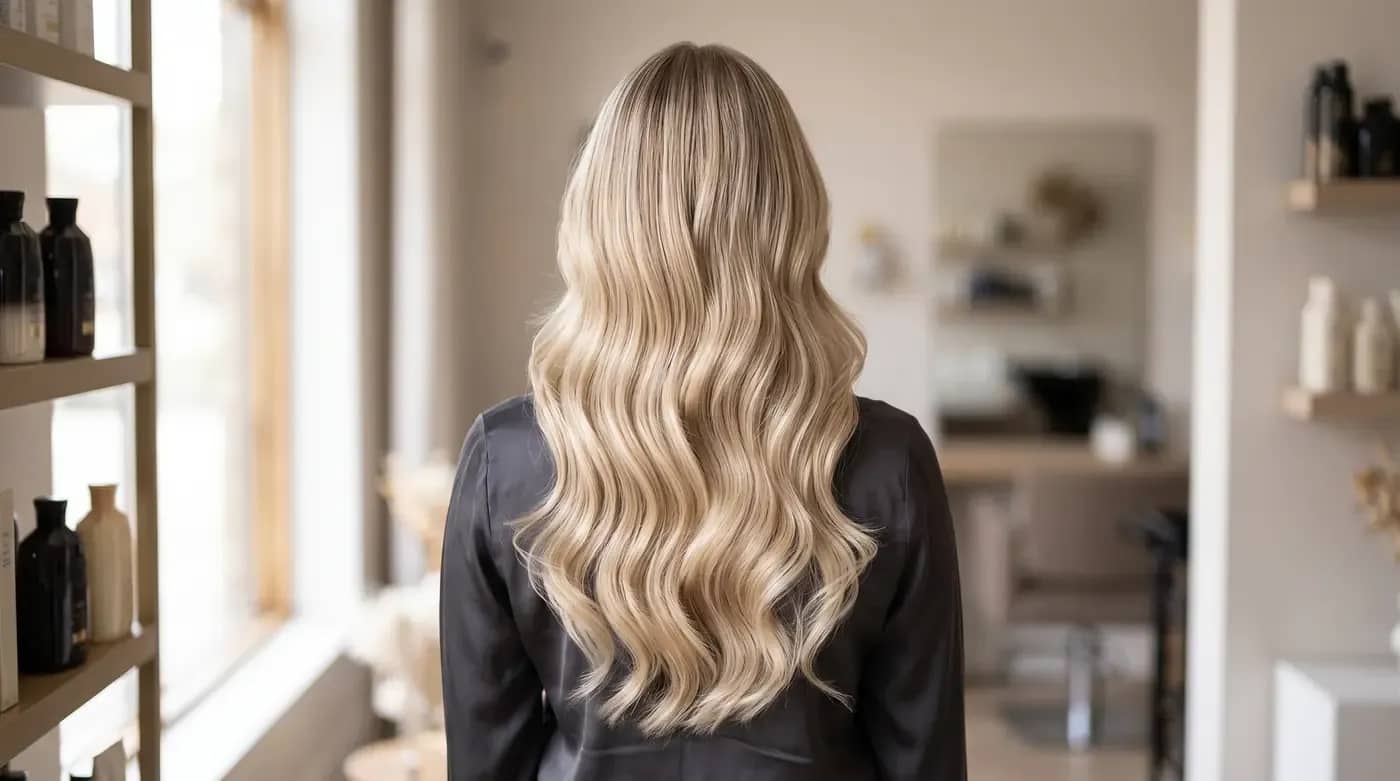
A blow-dry coloring technique: finer, weaker hairs are painted more evenly, and the transition becomes so soft that the line between tones is almost invisible.
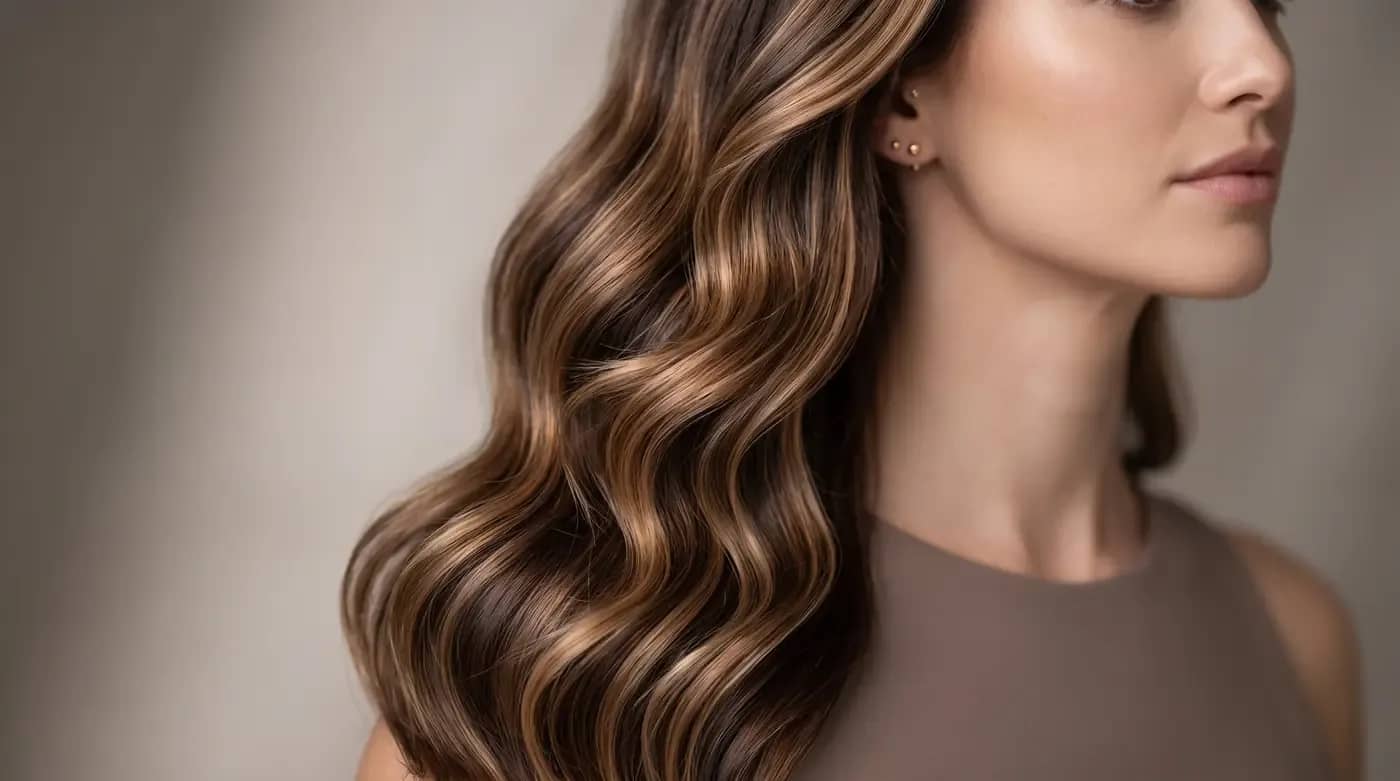
A mix of brown and blonde tones for a full, lively, expensive-looking color without harsh contrast — a good choice if you want depth rather than bright flashes.
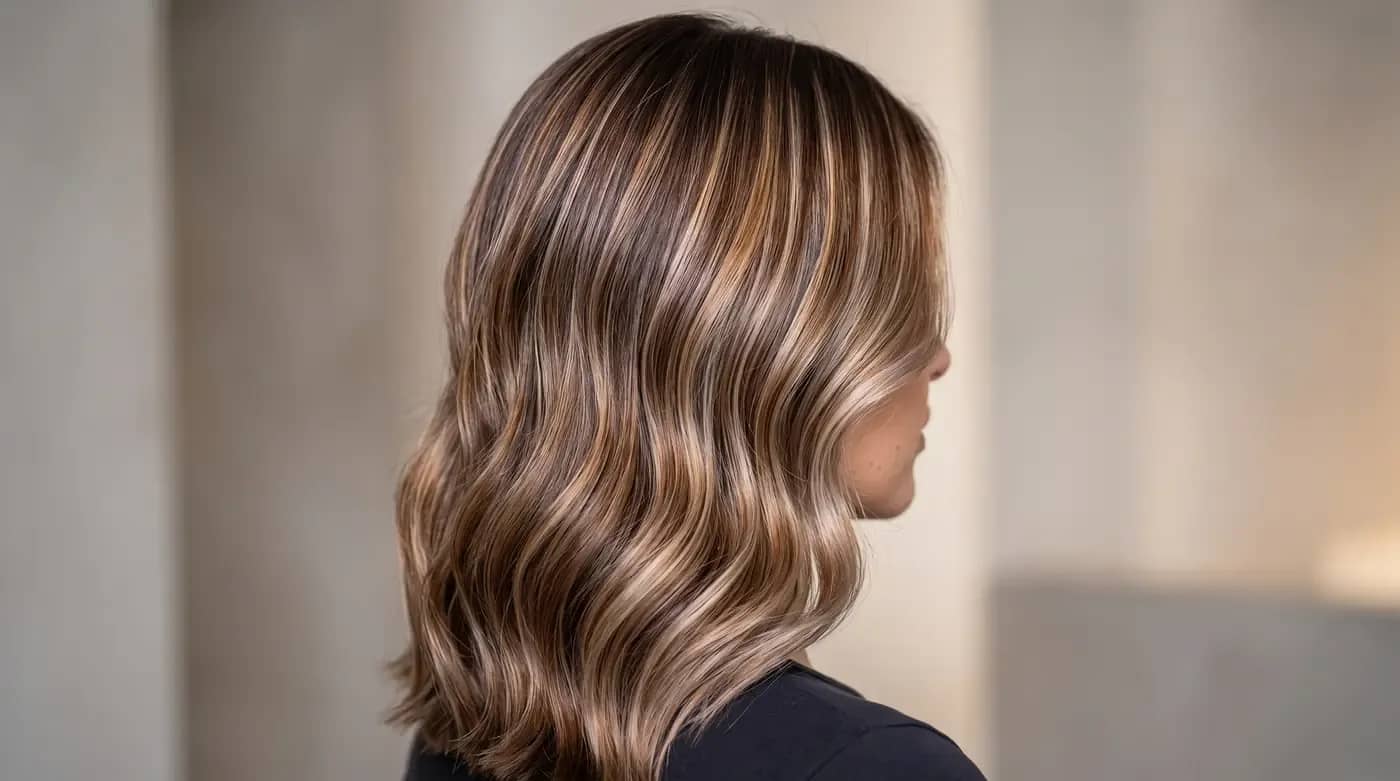
Classic and fine highlights on light and dark hair, babylights, tip coloring, double coloring and ombre. If you want an even shade without a stretch — single-process color and toning after lightening or coloring.
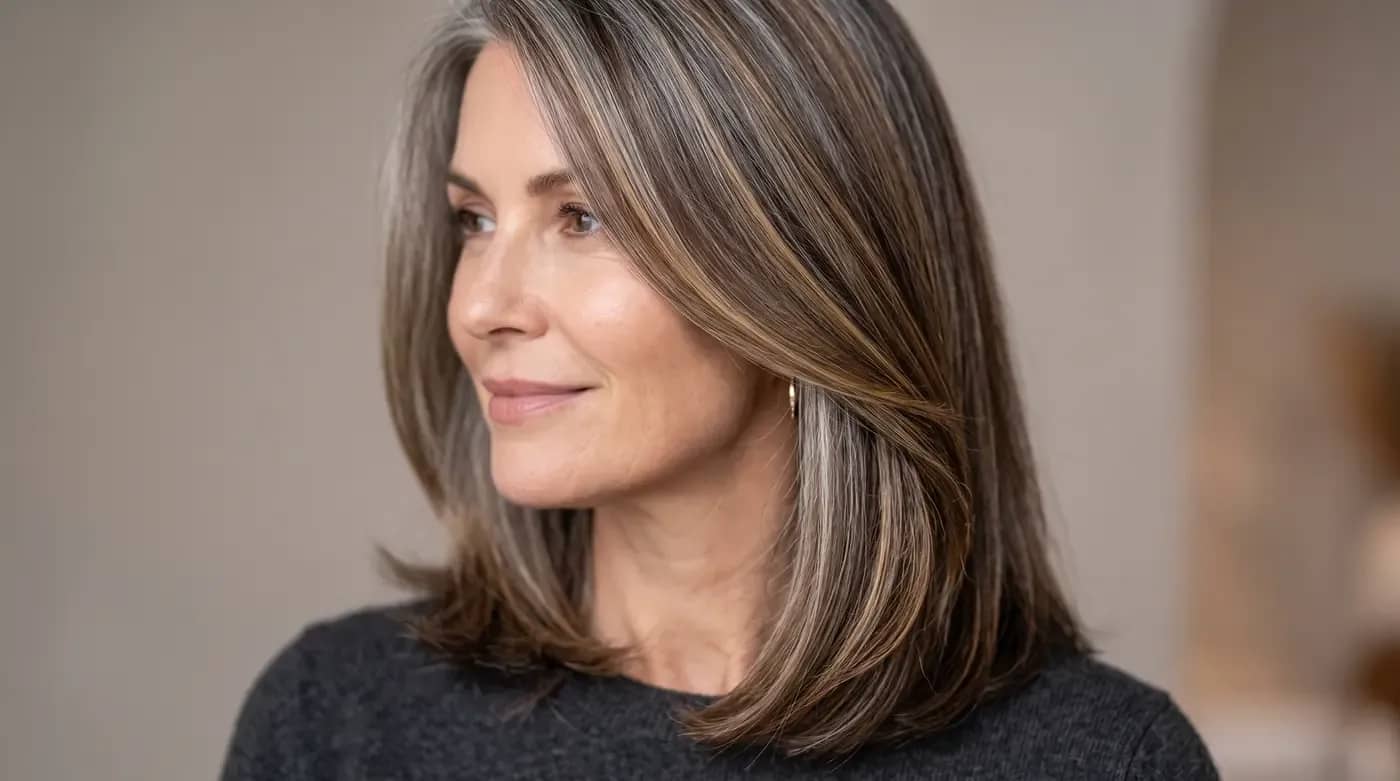
Covering gray while keeping hair looking natural — I choose the technique so grow-out stays as discreet as possible, instead of a sharp band after three weeks.
If a previous dye patched, turned yellow or green — I correct it carefully. That includes a color strip when we cannot move forward without it, and toning after coloring to take brass out after lightening.
Hair lightening and blonde coloring without a yellow cast — when it is realistic on your starting color. Sometimes one visit with toning is enough; sometimes it takes stages. I will say how many steps you need so the hair stays alive.
Coloring into ash, chestnut, copper or red — for your skin and eyes, not “like the photo”. Hair contouring and color with lights if you want depth without a full tone change.
Examples of my work in each technique — with honest before-and-after photos — are in the “Portfolio”.
Coloring
It depends on the technique and the condition of the hair. A single-tone root tint is usually done every 4–6 weeks, while complex stretch techniques (balayage, shatush, airtouch) — every 3–4 months, because grow-out is less visible.
Coloring is a chemical process that affects hair structure, but with the right technique, good products and proper home care, hair can stay in good condition even with regular coloring.
This is one of the hardest cases in color — henna leaves a film that can give an unpredictable shade with a later dye. A consultation and a strand test are required before a full procedure.
Toning with a violet or blue pigment that cancels yellow usually helps. If the yellow is strong, a separate color correction may be needed — I will explain more at the consultation.
This is a question for the doctor who is monitoring the pregnancy — on my side I can use gentler techniques and products, but the decision about the procedure is yours and your doctor’s.
No special prep is needed — you do not have to wash your hair right before the visit. It helps to come with clean but not freshly washed hair: a light natural oil layer protects the scalp.
Balayage, shatush and airtouch do not need urgent correction thanks to the soft transition — clients usually come back in 3–4 months. A single-tone color and the root area need updating more often, on average every month to a month and a half.
Come for a consultation — I will assess the result in person or from photos and suggest a color correction.
Balayage
Balayage is painted in freehand strokes with an accent on selected strands and gives more visible light flashes. Shatush is a softer, more even color stretch that mimics natural sun-lightening.
Yes, though the effect shows better on medium and long hair — on short hair balayage is done more carefully, with fewer strands, to keep a harmonious transition.
Usually 3–4 months — that is one of the main advantages: grow-out does not create a sharp line at the roots.
Yes, that is the point of the technique — only chosen strands are lightened, not the whole head, so the load on the hair is lighter than with full highlights or bleach.
Yes, it is the same word (French balayage — “to sweep”); in English it is usually written in the original spelling.
Shatush
Shatush looks most striking on dark and light-brown hair — that is where the natural sun-kissed effect is easiest to see. On already light hair the result will be more subtle.
On average 2.5–4 hours, depending on length and density.
Shatush is one of the gentler lightening techniques, because it does not cover the full length or the root area — it works on selected strands along the hair.
I would not recommend it: the technique needs precise control of the color stretch and processing time on different parts of the strand — at home it is easy to get a patchy, uneven result.
Classic highlights color strands from the root along the full length and create clearer flashes. Shatush starts with a gap from the roots and gives a softer, stretched transition without hard lines.
Airtouch
It is a coloring technique where strands are separated with a blow-dryer: finer, weaker hairs naturally fall away and stay uncolored, while denser strands are painted — which is why the color transition is so soft.
Yes, it is more labor-intensive and takes more time — on average 4 to 6 hours, depending on density and length.
Airtouch is considered one of the gentler techniques precisely because weakened hairs stay less affected — but I give a precise assessment after looking at your hair.
Balayage is done by hand, in strokes. Airtouch uses airflow to separate strands before coloring, which gives an even softer, more natural transition — but it takes more time and skill.
Yes, the technique works on both dark and light hair — the final effect depends on the contrast you want and your current color.
Other services